How to Bakasana
One of the more accessible and most commonly practiced arm balances in yoga is Bakasana ( Crane Pose ). In this post I’ll break down how to practice this and how it differs from Kakasana ( Crow Pose ).
So let’s look at the two different asanas and compare the main differences
Kakasana is with bent arms and knees on the outer side of the arms.
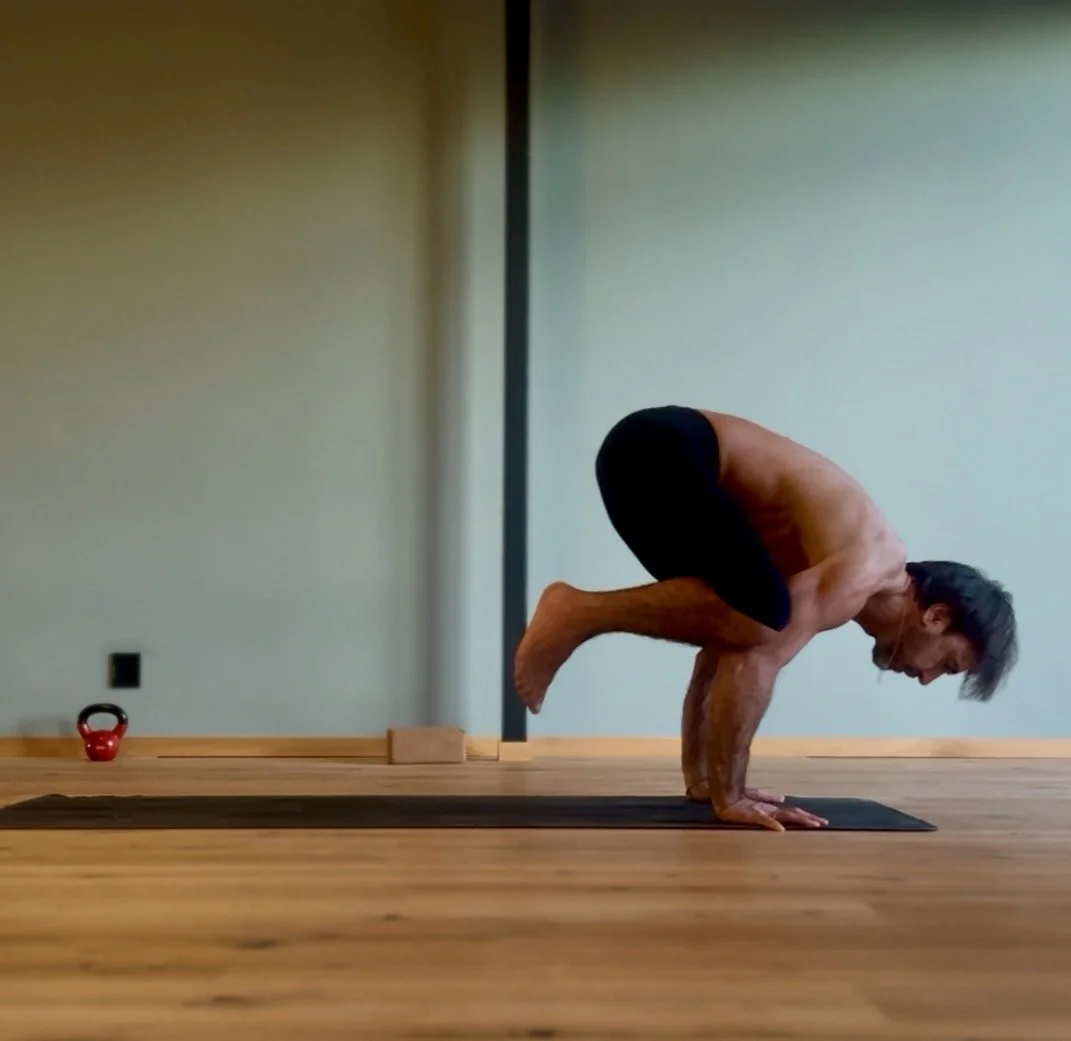
Kakasana
Bakasana is with straight arms with the knees high up into the arm pits.
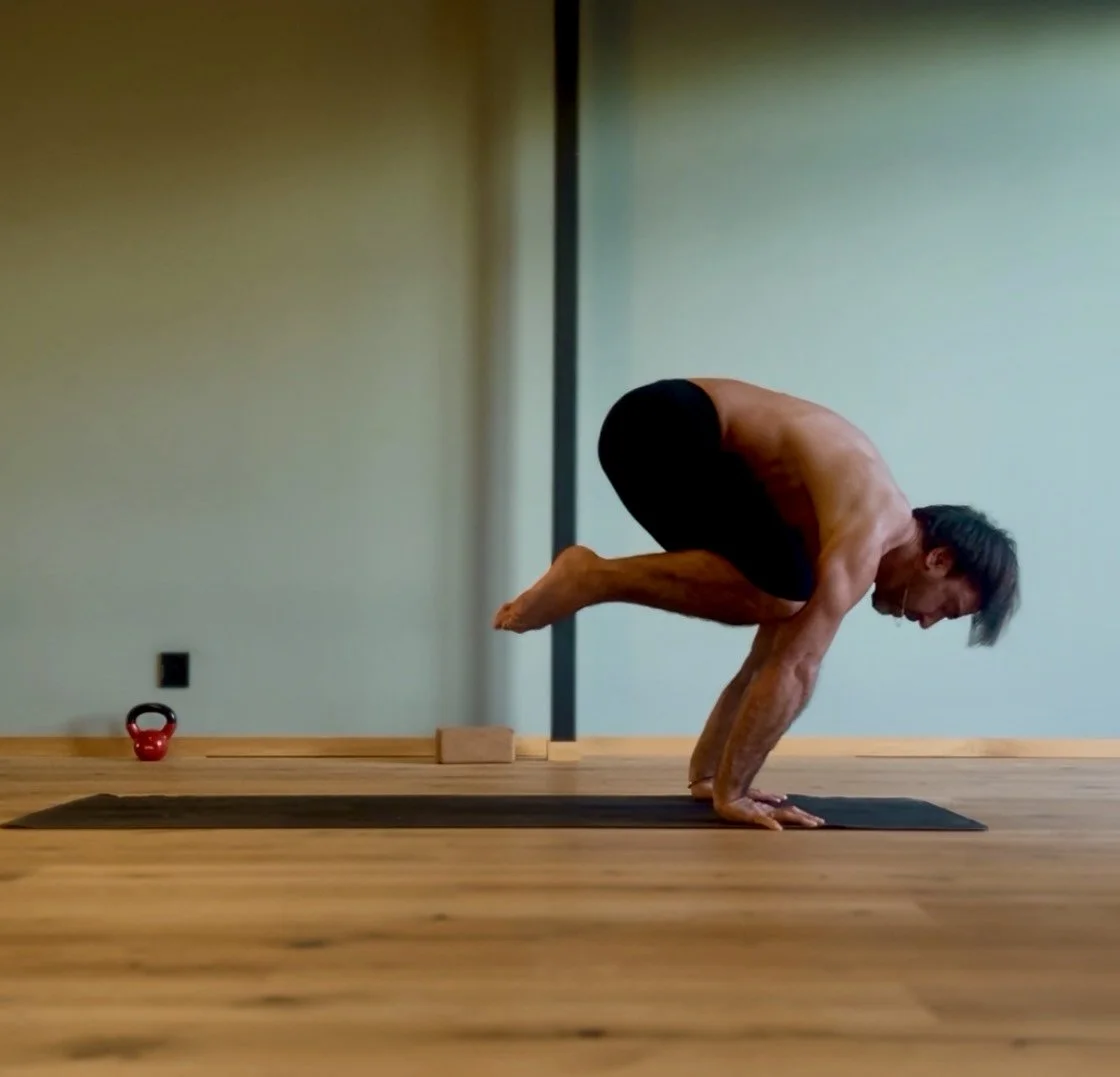
Bakasana
Bakasana is harder than Kakasana
We start by learning Kakasana. The mechanics of this posture are fairly simple. We start by coming down into a low squat and position ourselves to take our weight forward by placing the inner thighs on the outside of our triceps just above the elbows.
The key to all arm balances is a very strong foundation in and through our hands. The fingers are spread wide, gripping very strongly and pushing down firmly through the knuckles.
More on this here regarding hands and balance:
As we lean forward onto our strong base we press down into the earth and round our upper back to activate our lats and serratus muscles.

The Lats
Kakasana
If you are fearful of falling forward or lack the necessary strength in your arms, you can place a cushion / bolster infront of you so that if you do fall forward you aren’t going to faceplant.
Keep the head up and look slightly forward. The body goes where the head goes, so if you look down and potentially underneath you, you might roll over.
Once Kakasana is mastered you can move on to Bakasana with straight arms
This is much harder, requires more balance, pressing and use of the upper back muscles as you are forced to find the necessary lift and compression of your core.
The entry is the same in essence, but this time you are going to try and get the knees as high as you can into the arm pits when you begin. Keeping the knees high into the arm pits you will lean forward and take the shoulders forward of the hands.
As you go forward you need to squeeze your thighs in and up against you ribcage. This is a very strong activation of the serratus and core muscles.
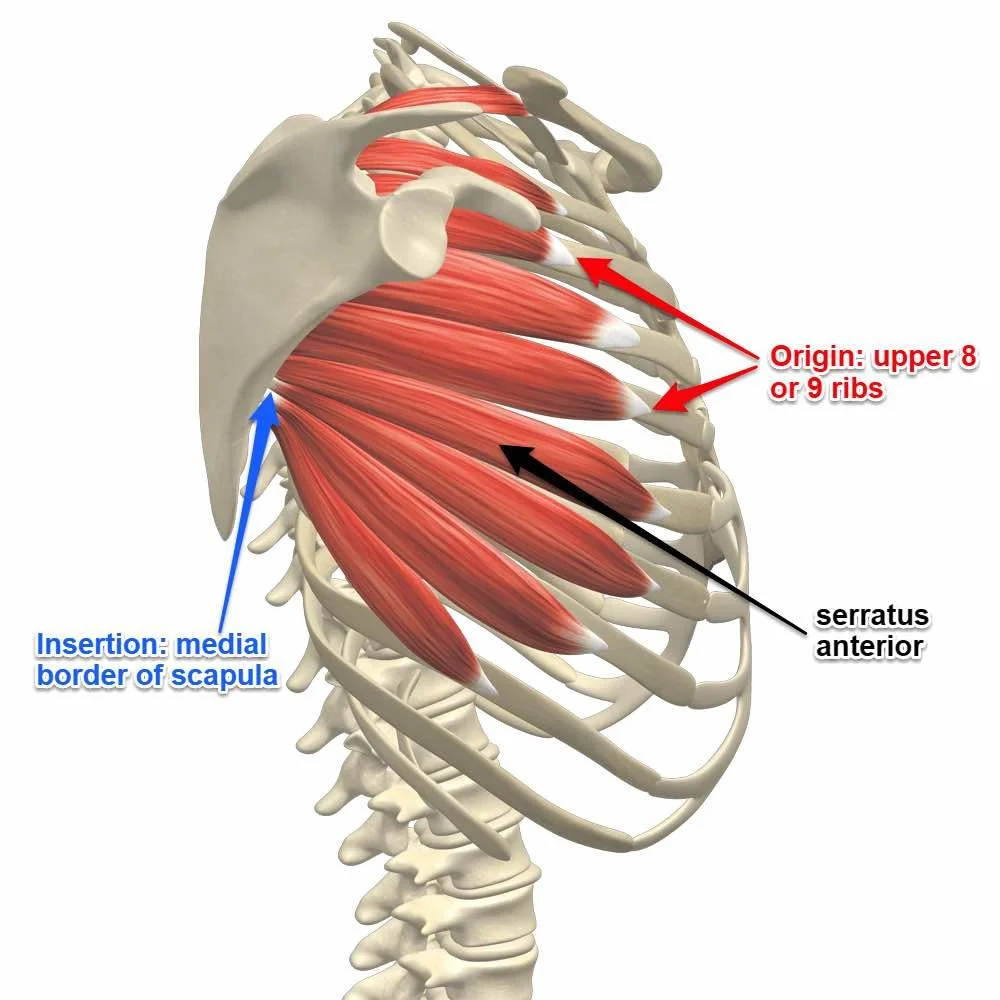
Serratus
If you struggle making this connection, check out my post on the jump back here:
There is a specific point on the back of the triceps you need to balance on that can be tricky to find in the beginning. It takes practice to find this point where you feel that sticky connection from the knee into the arm pits. The key here is to not think of balancing on your arms, but pressing down to go up.
Lastly is the use of the legs
So the legs don’t feel heavy and are being used, you need to activate your hamstrings. By contracting your hamstrings the legs become lighter as they are being used to generate lift. This is done by trying to touch your heels to your bum.
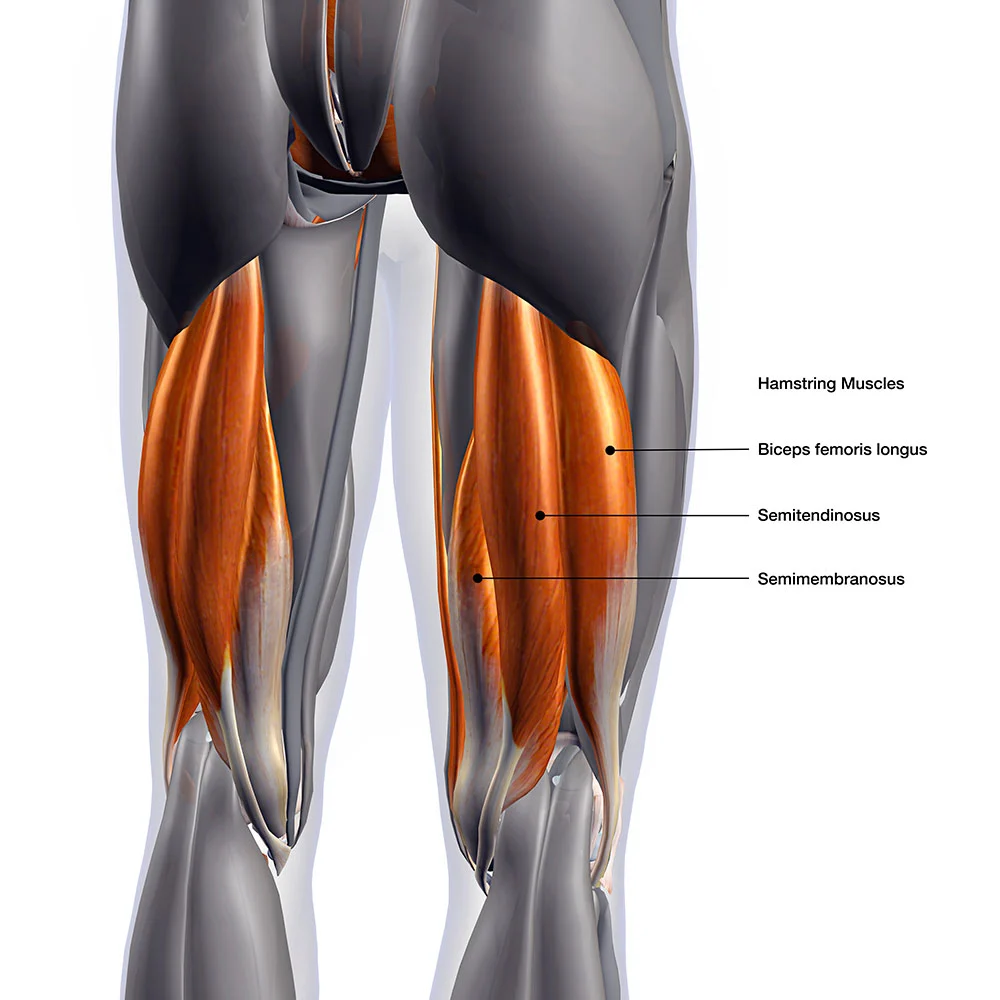
Strong activation of the hamstrings lifs the legs and hips up
For a full breakdown of how to practice Bakasana, head to my Online Studio below.
Here’s a video I found from some time ago demonstrating this. In this video I press up into a handstand. This isn’t to demonstrate the press, but to highlight the energy to think of going up, rather than just balancing on your arms. This is the feeling you want to build pressing and holding strength to create lift so you don’t feel heavy.