A common question for yoga practitioners is How often should I practice?’
The answer to this is nuanced and depends on many factors that I will cover in this post. There can be some stigma around this topic, especially in the Ashtanga Yoga world where dogmatism and too much control from teachers can leave students with a negative association to practice. This is not what we want.
What we are looking for in our practices is balance
This is very different from student to student and it is up to us to find what works for us. Some factors that will define this could be:
Work commitments and hours.
Whether you have children and the energy available from this commitment.
Social commitments and energy left from this.
Other hobbies and general time available to practice.
All of the factors above and more will determine how much time and energy we have available to put into our yogic practices. Especially with the growing pressures from modern day living. Some things take priority and this is an important thing to set out and be very clear with ourselves about as family life and our loved ones are important.
That said, I would say that making time for our yogic practices improves the other priorities listed above as we all need time and space in our lives for self reflection and personal development. Especially for parents in my opinion and mothers who give so much to thier children and families. The balancing act of prioritising this and our other loves makes us balanced and generally happier without feeling any guilt from pursuing self growth.
The Ashtanga Yoga system for example generally encourages daily practice with one rest day per week. This can seem daunting for many practitioners, especially in the beginning, but over time and with the right intention this can also be life changing for many practitioners. It was for me.
More on the practice of Ashtanga Yoga here:
What changed for me with regards to this was the commitment to practice. It’s like any relationship in our lives.
You get out what you put in
Having that daily commitment to be present, reflect and ritualise yogic traditions has a very powerful effect on our lives and this is what I generally encourage as a teacher. When you commit to anything and put your energy in that thing it will grow and likely blossom.
This doesn’t mean having a two hour ‘full session’ every day, doing all of your yoga / meditation sequences fully. Yoga is not performative gymnastics or exercise in that way. It is actually quite the opposite. Having a full and long yoga session on some days may be the case. Often not. It really comes down to checking in with ourselves daily and seeing ourselves truthfully with whatever is there that day.
Your yoga mat can be one of the truest reflections and mirrors of who you are day to day. This is a powerful practice that has nothing to do with how flexible or strong you are.
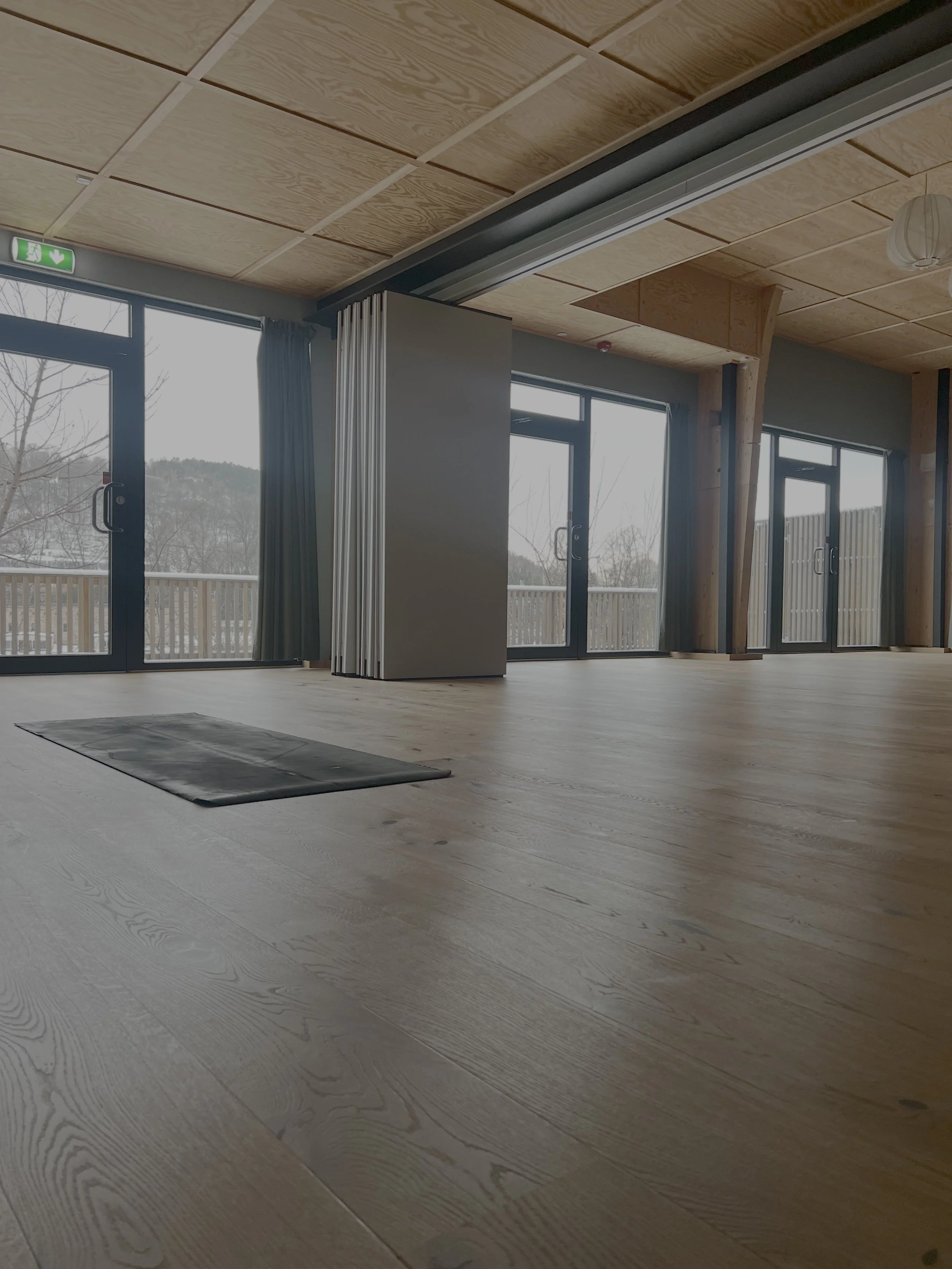
The mirror
When your intention shifts and is ritualised in this way, your mat and the space you have created for practice become something you look forward to and savor. It’s a beautiful thing and adds immense value to our lives and relationships.
That said, daily practice is also not essential or necessary for many practitioners and shouldn’t feel like a chore or something we have guilt over not doing. This is something I have come across in many Ashtanga practitioners for example because of some dysfunctional power dynamics that we don’t want to encourage.
Do what you can when you can
Whether you are a home practitioner or are able to visit a teacher on a regular basis, having some kind of structure to practice helps immensely. If you are someone who struggles with discipline, this can be difficult in the beginning, but over time this creates a healthy balance in this kind of student where they realise that having some structure in their lives has a very positive effect.
For the students who are naturally more disciplined, having a daily practice for example comes easier and integrates more easily. The flip side to this is also having the ability to be more allowing and softer when practice is not available for many reasons that life throws at us. Again, yoga is about balance and your yoga practice should always be encouraging this within you. Bandha.
More on my philosophy on Bandha here:
Too much structure and discipline can make us feel harder and less spontaneous. Not enough can leave us feeling ungrounded and anxious. Again balance is the key.
With all of this said, I would say two to three times a week of some kind of structured yogic practice is a very good start to begin your yoga journey and will start to have an effect on your whole self. Start here and see how you feel and check in on the effects this starts to have on you and the people around you. Make the commitment to yourself and your practices and set that time aside in your week as something that is as important as anything else in your life.
In my own practice for example, when I roll my mat out, this is a time when there will be no interruptions or distractions from the intention of what I am about to do. This is a very focused and intentional thing that is one of the most important things in my life.
Often my students will comment to me on what thier family says about the positive effects yoga has on them and it becomes something their family and friends encourage because they see how much it helps them.
The answers to the deeper questions in life and yoga await and these can only be answered and discovered with consistent and regular practice. Yoga is a doing practice, not a reading or academic one. You have to show up and participate in what unfolds.
If you are new to yoga check out my post here to help get you started:
Theres topics and many more are covered in my podcast The Yogi Within.
The Yogi Within Podcast
If you would like to learn a balanced and structured yoga sequence, check out my Element Series as part of The Online Studio.
My Online Studio