‘Should I practice Yin Yoga?’
Like most things, the answer to this is nuanced. But it really depends on what we mean by yin yoga and what I would suggest to be the best way to practice yoga in general.
Let’s begin with safety
In my opinion, the safest way to stretch a muscle is eccentrically. Eccentric stretching (or loaded eccentric training) is a form of exercise where a muscle is voluntarily contracted while lengthening, combining strengthening and flexibility training.
In the Ashtanga Yoga method I teach and in my Online Studio this is instructed as a foundational way to correctly lengthen a muscle. Whenever one enters a posture ( asana ) there should always be an activational force grounding the student to the floor ( push ) and an opposite lengthening and opening ( pull ) that is ever present in every movement.
This is a form of what is called Bandha in yoga. More on this here:
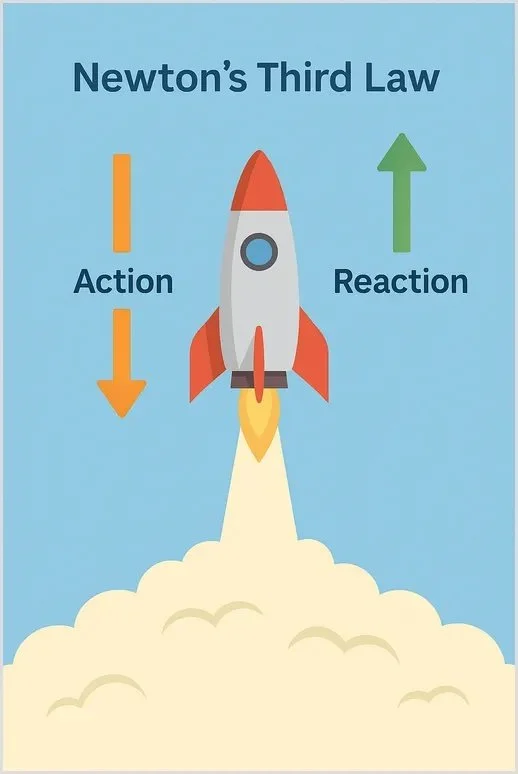
Energy down to go up
Ideally in every asana a student practices these opposite forces are found and played with which creates the necessary amount of tension in the body to stabilise the joints, tendons, ligaments, and at the same time encourages a controlled lengthening of the belly of said muscle.
Under these conditions we are highly unlikely to over stretch a muscle / tendon and give the necessary feedback to our nervous system to safely allow the muscle to stretch. This method done over time creates a new body where a safely lengthened muscle is normalised.
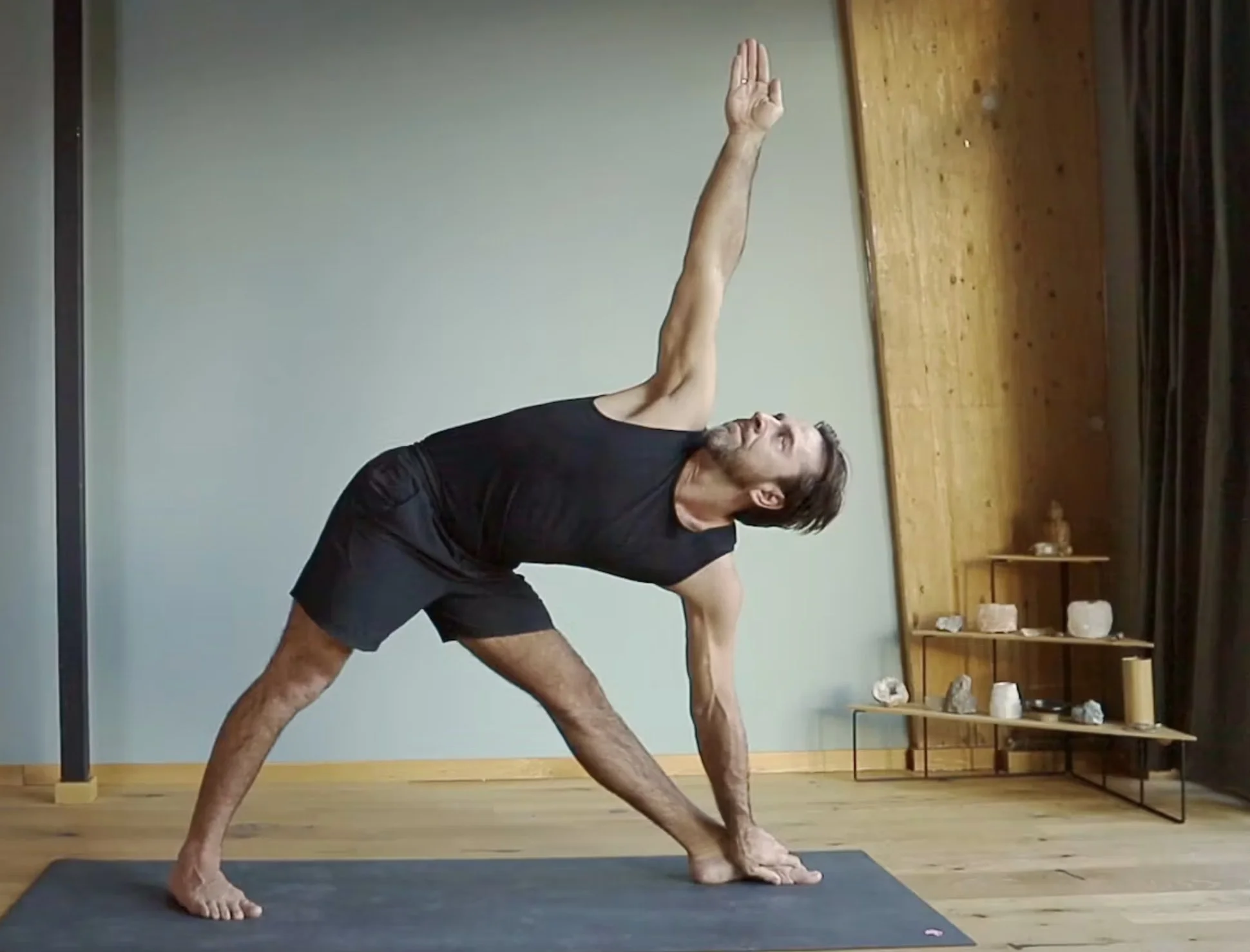
Trikonasana A
In the image above, practicing Trikonasana A. My feet are pressing down firmly into the floor with my toes spread and gripping my mat. This activates my hamstrings and quadriceps slightly so that my legs are engaged. My left hand presses into my big toe and my opposite right arm is reaching strongly into the air lifting out through my finger tips. My belly and neck are relaxed as I breathe and there is a strong activation from my diaphragm opening my rib cage and the backs of my ribs.
This is a brief summary of Trikonasana A. As you can see there is a lot of work going on in the state of this asana. This is how I have learned to practice this asana safely for so many years and embody the philosophy of Bandha. Also there is an element of yin here too.
A correct yoga practice incorporates yin and yang together
My Ashtanga practice is the practice of yin and yang simultaneously. The two opposites are ever present and complement eachother to reach the state of Bandha where the correct activation is balanced by the equal softness. This state of being in my opinion is what students should be looking for in every asana in their yoga practice.
What can often happen is that students lose focus or have improper technique and they tend to ‘hang’ in postures without the necessary activation and don’t work enough on the strength side of their practice which allows stretching to go to the tendons, ligaments and even the joint. This is especially the case for hypermobile students who lack stability in their bodies.
Yoga is Yin and Yang in unison.
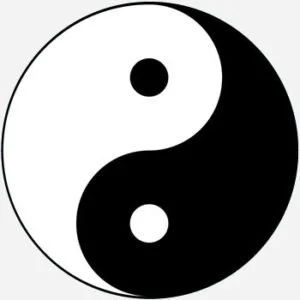
The harmony of opposites
When this happens students can suffer from joint pain, tears / microtears within the body and in general a sensation of instability. This is not what we are looking for.
The body works by the understanding of tension. Without tension we would not be able to move. We just needed to balance the right amount.

Tension
Like the body, a circus tent’s shape is held together with tension. If tension changes in one area the circus tent will lose it’s shape. To maintain it’s shape you would have to ratchet or shorten / lengthen a rope or weight in another part of the tent so it doesn’t collapse, or lose it’s shape. The bodies amazing intelligence is similar in that sense.
Can Yin Only Help?
In my opinion a Yin practice can help. From a relaxation perspective for the mind and nervous system this can be beneficial as well as helping older and very stiff students spend a longer amount of time in more basic postures to relieve tension.
What I would not encourage is for students to have a Yin only practice and especially for hypermobile students I would not suggest Yin yoga as this will further encourage joint instability. What they need is more tension, not less.
Like most things it is nuanced and very dependent on the student’s body.
The Supine Sequence
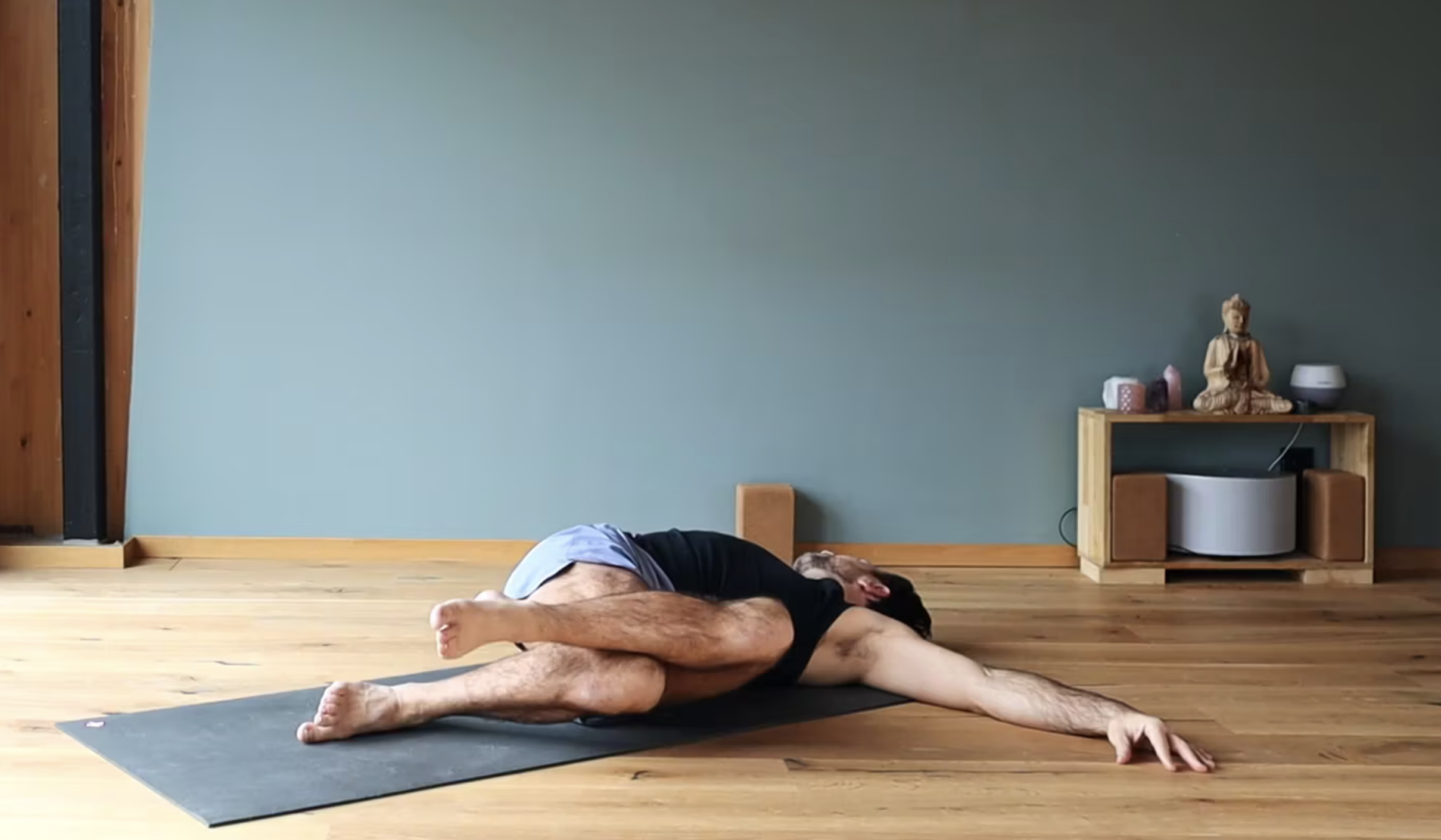
A Supine twist
As part of The Online Studio, The Supine Sequence is included for this reason. For students who are very stiff, need something more calm and less active on some days and for people who are unable to move much because of injuries such as sciatica or back pain.
What I will also say is that some muscles groups should not be stretched cold, and especially for beginners. For example I would not recommend a beginner to stretch thier hamstrings cold. It is too easy to find thier maximum range and over stretch without the necessary tension there.
For this reason and more, The Supine Sequence is structured in a way that doesn’t lead to these issue’s.
A healthy body is a body with soft, long and supple muscles that are also very strong, robust, and connected to strong tendons, ligaments and bones. This combination is achieved through a yoga method that combines Yin and Yang as it’s basis such as Ashtanga Yoga and ,The Element Series.
For access to The Supine Sequence, The Element Series Vinyasa yoga, head to my Online Studio below:
My Online Studio