Hypermobility and yoga practice
For a lot of students who come to yoga, a goal is to become very flexible in performing advanced or complex asanas. This isn’t wrong, as many of us who start yoga are quite stiff and lack mobility, which negatively affects our daily lives and one day potentially dream of moving in a very free and dynamic way.
I have personally enjoyed seeing the changes in my own body and students who often remark how they are able to do things they never thought they could. Transformation is a very powerful aspect of Vinyasa Yoga.
It’s very easy also to look online at social media and see practitioners, dancers and acrobats performing advanced movements effortlessly and with ease. This is a beautiful thing to see, but I would say be careful what you wish for. Having potentially extreme ranges of motion in the body and at the joint level may look great to the external eye but potentially may have many negative side effects for the practitioner. Especially if the practitioner is hypermobile, which is the topic of the post.
Hypermobility means your joints can move past the normal range of motion. People often call this being "double-jointed". It roughly affects 10% to 15% of people. Many have no issues, but others face pain, frequent sprains, and extreme tiredness.
Some people are hypermobile because they are born with variations in collagen, the main protein that gives strength and structure to ligaments, tendons, and joints. These softer or more elastic connective tissues allow joints to move past the normal range. This trait often runs in families and is influenced by genetics.
As a teacher who has worked with many students who are hypermobile, I would say they tend to have more pain in their bodies, struggle with joint stability, can often overstretch their tendons / ligaments due to a lack of feedback and can generally lack strength in their practices.
This isn’t in any way being critical of said practitioners, more just highlighting what they generally need to work on, which is most definitely strength and joint stability.
Building more muscle mass around the joints, backing off somewhat the flexibility side of practice and learning to not overextend when stretching so the stretch is felt more in the muscle rather than at the joint is imperative. This is especially difficult for hypermobile students as they tend to lack the feedback stiffer people have when stretching. If you are stiff and strong, the feedback is instantly there when you try to stretch, which is often thought of as a negative thing but is not at all. It’s healthy and important.
I would say the answer to the problem is to embody a balanced practice that focuses on strength as much as flexibility. Adding more strength work into your yoga sequences and working less on what comes easy and more on what is challenging is the key.
Ultimately, what we are looking for here is Banhda. Yogis, in my opinion, should always be looking to balance their practices as much as possible. Physically and energetically. This goes both ways for strong and stiff practitioners who need to work more on softness and flexibility but with stability and control.
It's great being mobile and flexible, but I would say from a health perspective, it’s more important to have strength, bone strength and stability throughout the body. Flexibility can’t come at the expense of these. If that's the case, then this is out of balance. The state of Banda is lost, and the practitioner is out of sync.
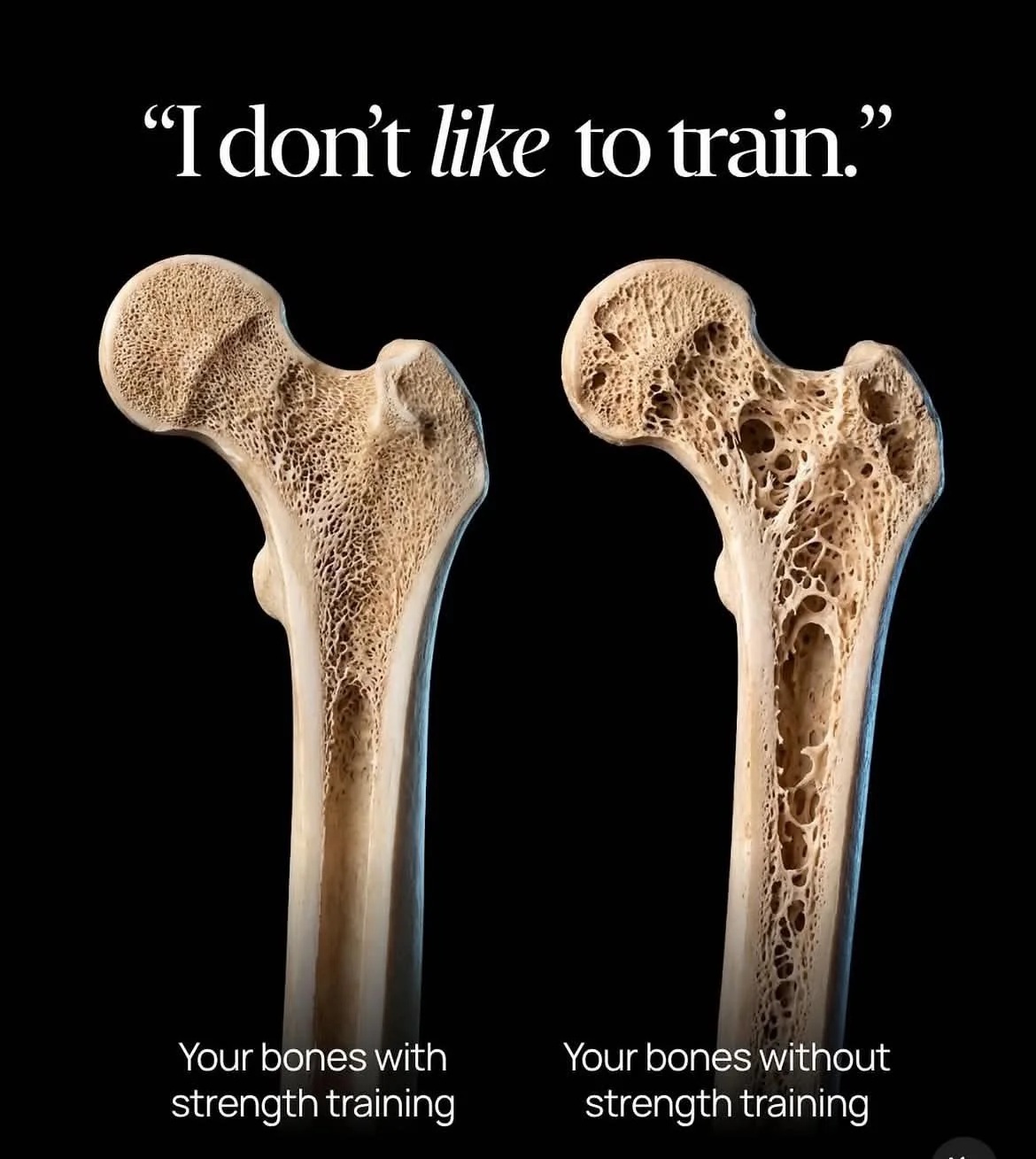
Bone health is essential
It is natural for everyone to edge on the side of what comes easier for them and what they are good at. If you are very flexible for example, but lack strength, then you may tend to go more into deeper ranges of motion as a default because it comes natural to you. This isn’t wrong, but in terms of health and stability, having a strong body is essential so deeper movements feel good and don’t cause pain.
Tension is necessary for a stable yoga practice. It is something that is very observable in a practitioner when performing any asana. Even the most basic. If a student is applying Banda to their practice with the correct engagement of the necessary muscles, the position will feel strong, stable and balanced. Everything is working in every posture in some way as an activation and expansion is felt throughout the body.
If a hypermobile student folds forward, for example in a seated forward fold such as Paschimottanasana, without these concepts applied, they will likely slouch over their legs and hang like a wet noodle. No tension and most likely the stretch will travel up the legs to the joint. This is not what we are looking for.
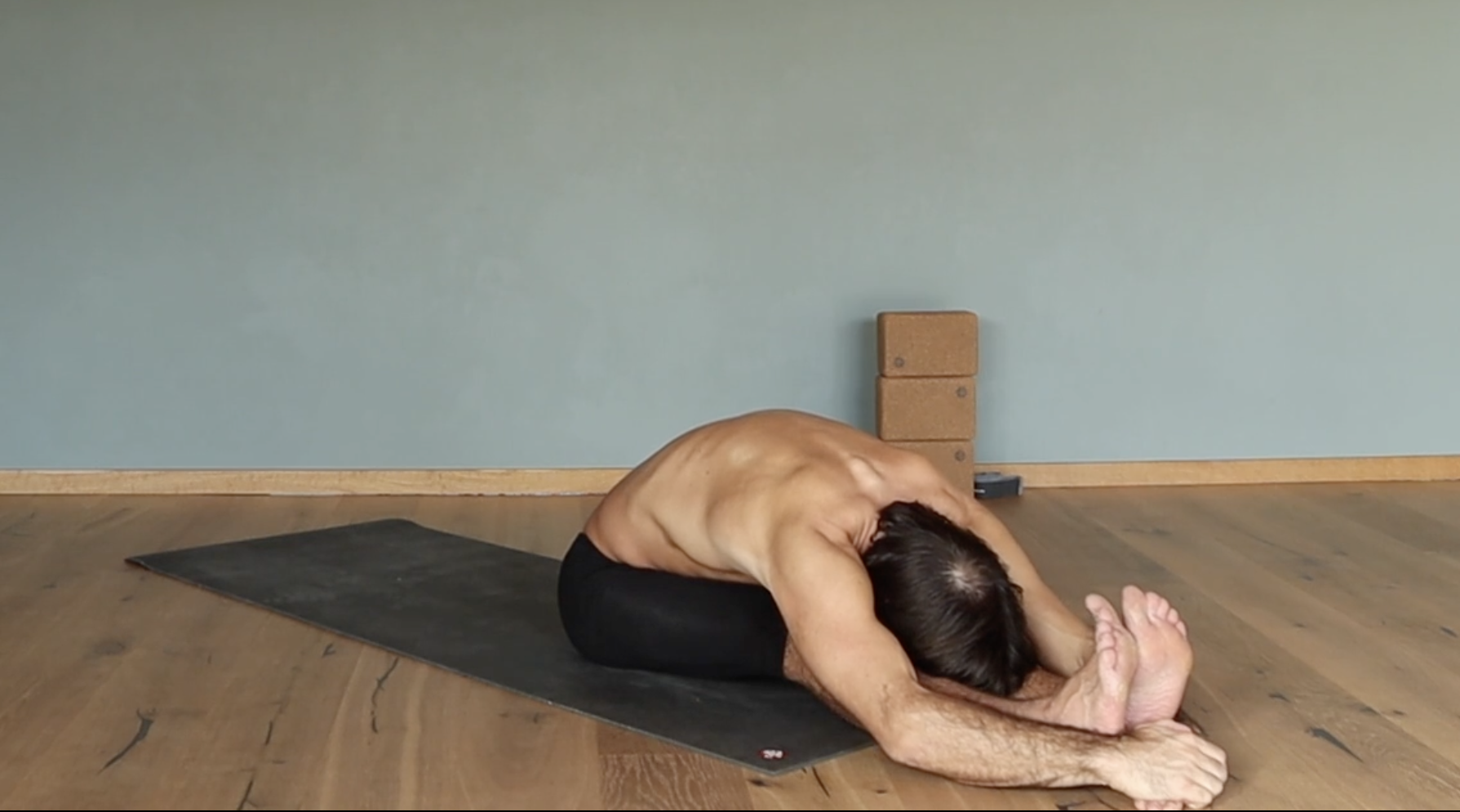
Paschimottanasana
This is actually why some teachers will not recommend Yin Yoga, for example, as there is no Banda being applied. In my opinion, it's OK for most students, but if you are hypermobile you don’t need more flexibility or looseness. You need tension.
I remember some years back having a very flexible student who was an ex-dancer who asked me this very question whether it was a good idea for her to join Yin classes. My answer was no. At that time, she was beginning to learn Primary Series in Ashtanga Yoga, which is excellent for hypermobile students if it is practiced correctly with the right focus on the vinyasas, which can build the necessary strength in the student and apply the concept of Bandha, which should teach this balance of push / pull and stabilizing the body.
As I said, we should always be looking to balance ourselves out.
Another thing to note for Ashtanga practitioners, is that there aren’t really any prerequisites strength wise moving through Primary Series to Intermediate, and if you are hypermobile, this phase could happen very quickly as completing those postures isn’t very difficult.
I personally don’t ‘gate keep’ postures in my teaching style and there are many aspects to progressing a student, but it’s not uncommon for visiting students to come to my Shala who are doing all of Primary and Intermediate series because they are very flexible but lack strength.
In my opinion, it’s a disservice for the student not to teach them the core mechanics of the lift-up and jump back in Primary series as well as starting to embody the state of Bandha before they move forward. Also, again, for hyper-mobile students, it is essential to learn this early on, so the body is stable for more complex postures.
Performing complex asanas is fun, but what we are looking for mostly in our practices is health and stability.
More on moving into Intermediate Series here:
To learn an integrated approach to Vinyasa Yoga and to learn how to lift up and jump back with control, check out my Jump Back Breakdown online course as part of The Online Studio.
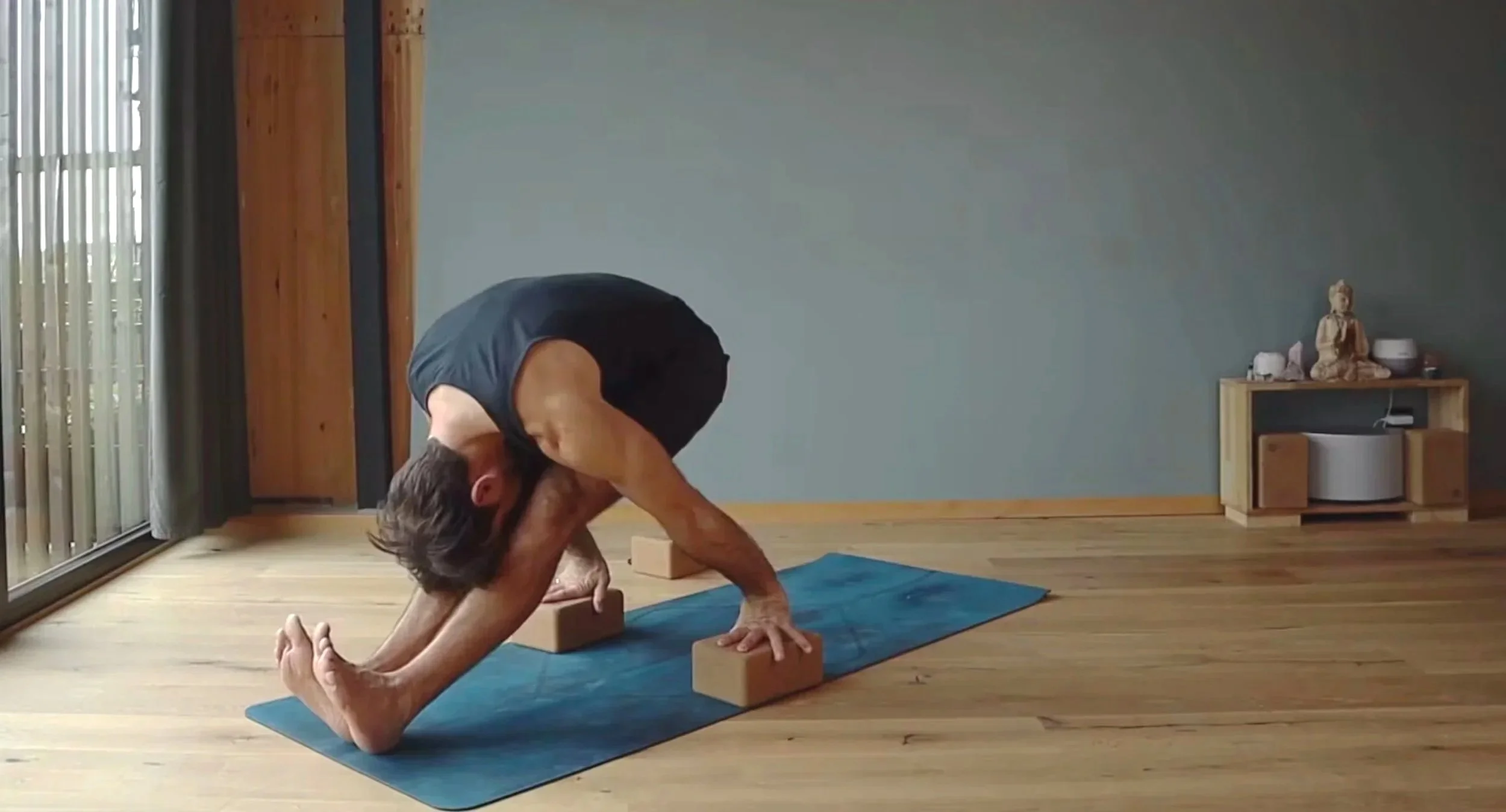
Jump Back Breakdown