
How Yoga effects our brainwaves
Moving from Beta to Alph to Theta and Delta
Some of the common benefits to having a regular yoga practice are a huge improvement in our stress levels, sleeping patterns and immune system health. The way we move in yoga and in prticular the way we breathe has a large impact on the way our body feels, and the way in which our mind works.
The human brain is an incredibly complex organ, largely in part responsible for our thoughts, actions, and emotions. An aspect of brain function is the electrical activity it generates, which can be measured as brainwaves. Brainwaves are essentially electrical impulses produced when neurons communicate with one another.
These brainwaves occur at different frequencies and are classified into distinct categories based on their speed. The four primary types of brainwaves are—Alpha, Beta, Theta, and Delta.
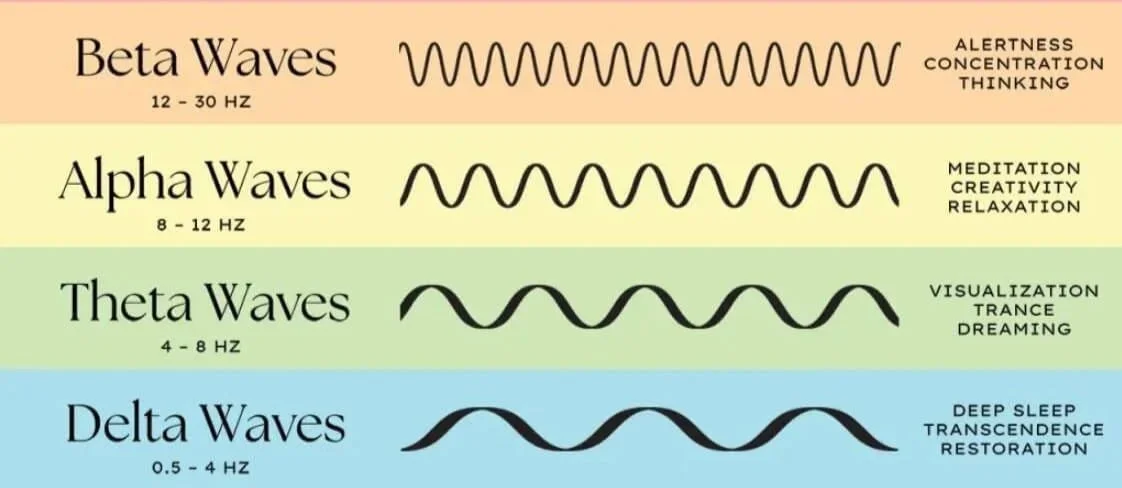
Brain waves
Beta Waves
Beta waves have a frequency range of 12 to 30 Hz. These waves occur when one is engaged in active thinking, concentration, or problemsolving. When you’re alert, making decisions, working on a project, or engaging in a conversation, beta waves are at their peak.
While beta waves are essential for focusing and accomplishing tasks, an excess of them can be linked to stress, anxiety, or mental fatigue. Constant high beta activity can contribute to feeling overwhelmed, chronically stressed or mentally exhausted.
One could argue that time spent too long in this state could lead to bad health, disease or potentially a form of burnout. In our modern style of living these days with what I would say encompasses an over use of technology and stimilus, following too many rules and regulations and a constant need to plan, along with long working hours in cities, it’s no wonder people suffer and are often sick, potentialy stemming from hightened states of alertness and brain activity.
Short and intense amounts of stress can be beneficial for us, but prolonged periods over a long time are detrimental to our health.
Alpha Waves
Alpha waves are typically produced when you’re in a relaxed yet alert state. They have a frequency range of 8 to 12 Hz and are most commonly observed when you are awake but in a relaxed, meditative, or restful state. Think of when you’re daydreaming, just waking up in the morning, relaxed walking in nature listening to the wildlife or moving in and out of postures in your yoga practice.
Alpha waves are linked to a calm, peaceful state of mind. This brainwave state is associated with reduced anxiety and stress, as well as improved creativity and focus. Engaging in activities like meditation, yoga, or even light reading can help promote alpha wave activity in the brain. This state is beneficial for mental health because it allows the brain to rejuvenate, leading to improved cognitive function and a sense of feeling more emotionally calm and stable.
Theta Waves
Theta waves have a frequency range of 4 to 8 Hz and are typically produced during light sleep, deep meditation, or moments of deep relaxation. These brainwaves can be associated with creativity, intuition, and emotional insight. Theta waves are often observed during dream states, like REM sleep, and are also linked to the deep meditative states of experienced meditators.
This can also be experienced in different states within Savasana for example. More on this here:
Theta waves are said to enhance memory consolidation, potentially making it an essential wave for learning and emotional healing. It’s the brainwave state where one can experience vivid dreams and moments of profound inspiration. This has been my own personal experience in my yogic practices where deep insights take place.
Creative breakthroughs and problem solving often occur in theta states, especially when we allow ourselves to drop deeper into these different states of conciousness in our yoga practices that tap into this other field. The ability to switch into theta waves can help improve both creativity and overall mental health.
We all want to feel more love, creativity and calmness which is what these states allow us to reach.
Delta Waves
Delta waves are the slowest of all brainwave frequencies, with a frequency range of 0.5 to 4 Hz. They occur during deep, restorative sleep, when the body and mind are in their most restful state. This stage of sleep is crucial for physical healing, cell regeneration, and immune function, as the body repairs itself during delta wave activity.
Delta waves are associated with deep, dreamless sleep, where the brain is in a state of complete rest and recovery. While delta waves are most commonly associated with sleep, they can also occur during deep meditation when the mind achieves a state of profound stillness.
Potentialy this a state we could call Clear Light. Clear Light in Buddhism refers to the " luminous mind " (Tibetan: 'od gsal ), the subtlest, innately pure nature of consciousness in Mahayana and Vajrayana Buddhism. It represents the fundamental Buddha nature, empty of delusions yet possessing the potential for full enlightenment.
It is said in Buddhism that when these states are reached, we are aware and inseparable with the ultimate root of consciousness, often described as an inner radiance or pure awareness. The physical body is rejuvenated.
I would say that as yoga practitioners this can occur when the mind is fully clear and is not searching. A space is found where we reach a point of emptiness. Śūnyatā in Buddhism.
Sunyata
How we move, and the way in which we move is essential to reach these profound states in yoga, but what really takes our mind into these spaces is out breath.
We could say that hyperventilating ( rapid breathing ) is going to increase our stress levels and increase levels of anxiety. Hypoventillating ( slow or shallow ) is going to do the opposite and lower those levels, calming our nervous system and changing the way our brain is functioning and switching frequencies.
Science is often sought out by practitioners as a way to confirm what we already know from the proof of our pracitces. The western mind often needs a rubber stamp from an authority to validate these ancient practices such as the measurements described in this post.
The reality of the outcome of what these practices do at a deep level on our mental and physical body is profound, healing and transformative that science I believe will never really fully understand. As much as this post is confirming these effects with numbers and measurements, the magic is what is felt on a day by day basis over time from having a dedicated yoga and pranayama pracitce. Yoga works.
You know because you experience it to be true
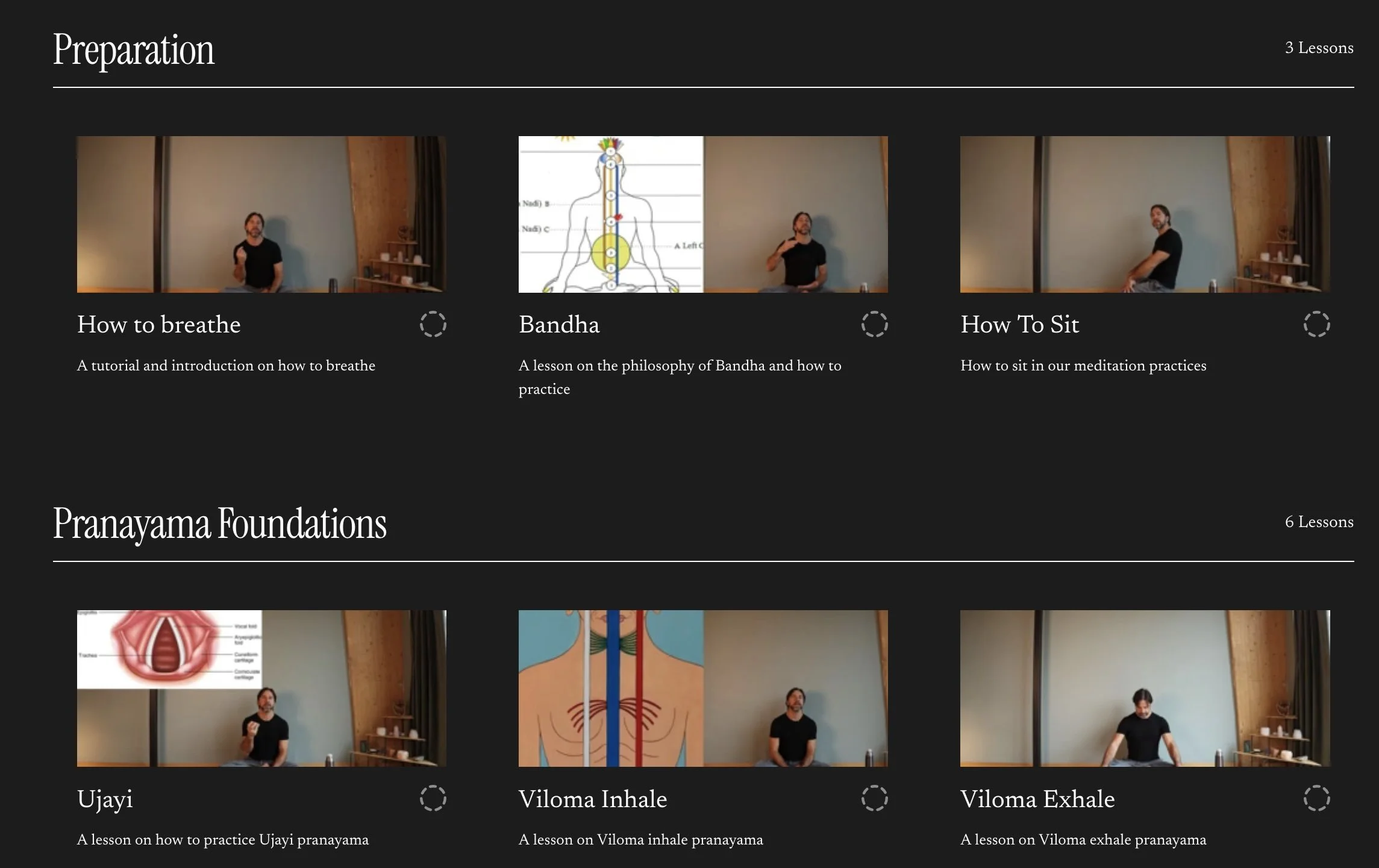
If you are interested in developing a pranayama practice, head to my Pranayama Guide for a comprehensive tutorial on developing a home meditative practice to explore your breath and different states of conciousness.
The Pranayama Guide
