Opening the upper back in back bends
A movement students can struggle with is how to open the middle and upper back in back bends. Often what happens is crunching of the low back or compression of the shoulder joint due to stiffness of this area when trying to mobilise the upper portion of the back.
Most adults I have met have not moved their middle or upper back probably since they were an infant. The rib cage really does become a cage and the fascia and connective tissue around the ribs hardens, and the intercostal muscles become stiff and potentially weak due to inactivity.
Feeling stiff from moving less
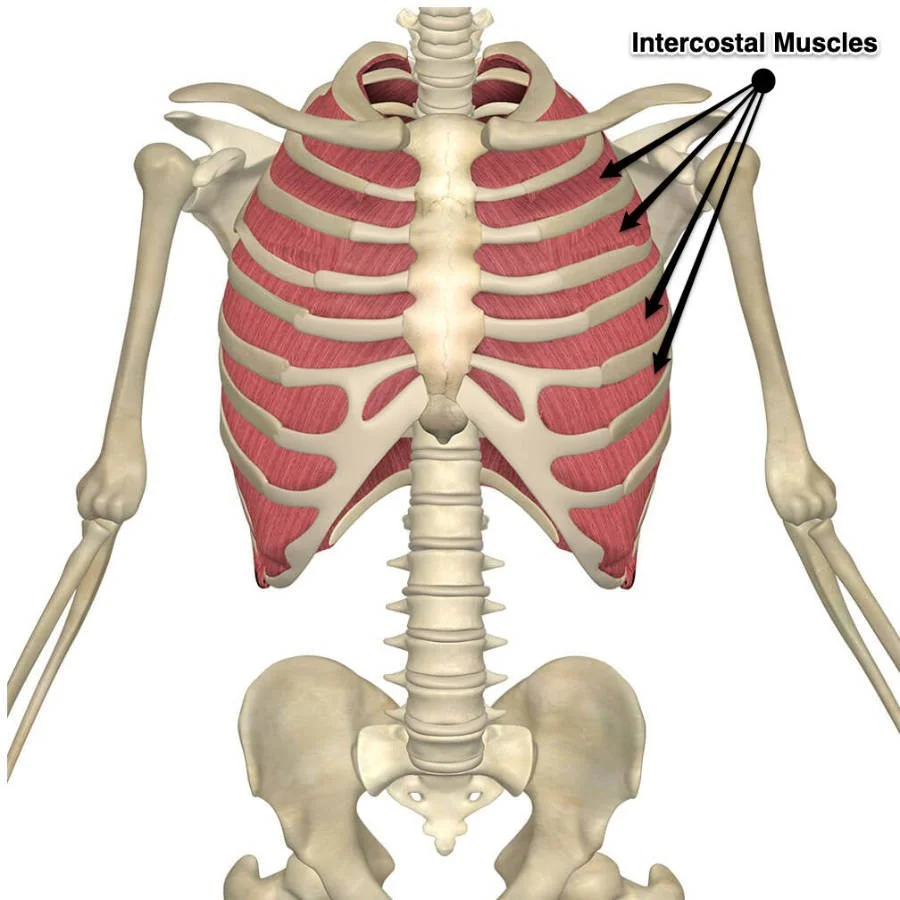
The muscles between the ribs
With a balanced yoga practice that works on the whole body such as The Element Series and Ashtanga Yoga’s Primary Series, which incorporates extension and flexion of the spine, twists and all movement of the shoulders, the middle and upper back start to move.
This helps to an extent but what I largely see in practitioners is a lack of use of the diaphragm when they breathe. When we breathe fully with the diaphragm this open the ribs, softens the intercostal muscles and allows the middle and upper back to move more freely. More on how to breathe here:
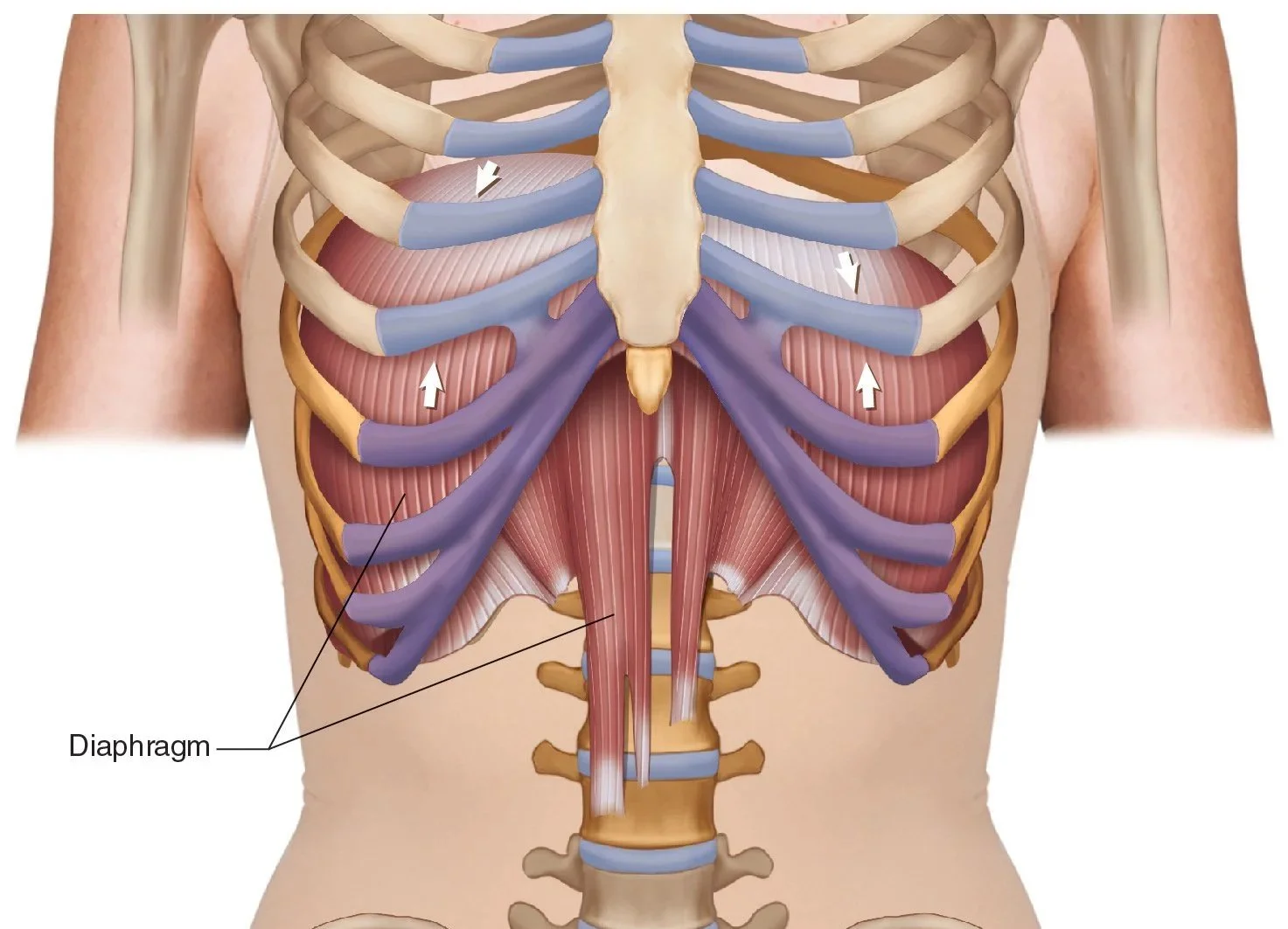
Breathing fully in your yoga practice
I have posted articles previously on back bending and the shoulders but in this article I want to focus mostly on the feeling you are looking for in your back so you don’t crunch the lower back and you feel space as you push into this area.
Using the diaphragm when you breathe it will contract and expand outwards. Think of your rib cage becoming wider and specifically at the back of the ribs. As this expansion occurs, what usually happens is students will collapse this area when they exhale. This happens naturally but is incorrect. What we are looking for is to keep this widened sensation of the ribs, especially at the back of the ribs and the posterior serratus even when you exhale. You won’t exhale fully.
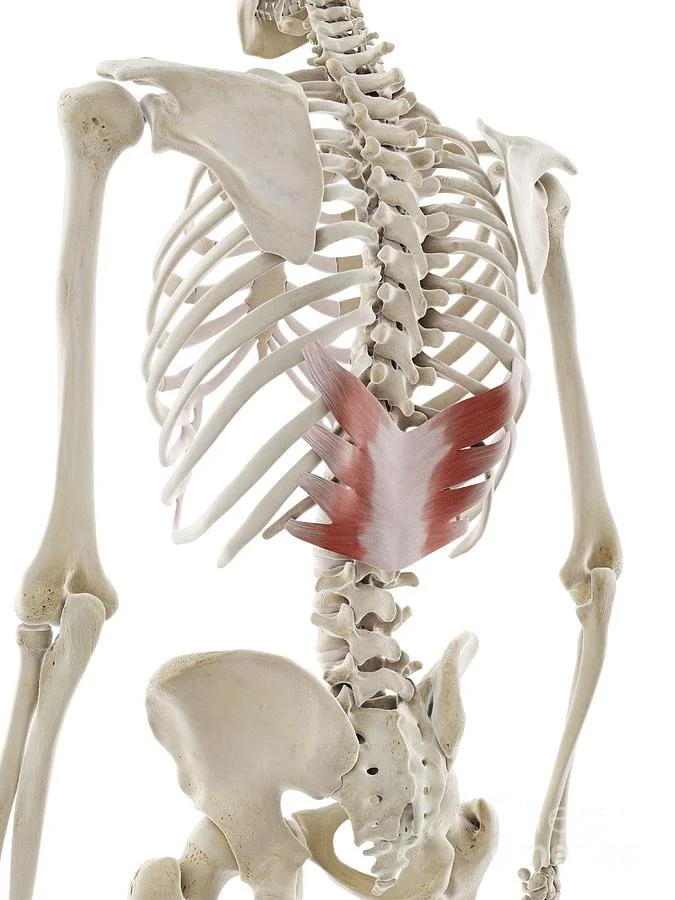
posterior serratus
An image I like to use in my own practice is the head of a King Cobra. When the Cobra lifts up and expands it’s hood, I have the image of it wrapping around and forward from the midline. This is the feeling we are looking for. You can imagine your ribs at the back of the body expandin and wrapping around your sides and into the middle of your body. The rectus abdominis are active and it is as if you are pulling the front ribs in. There is a lot of work going on in the front of the body to relax the posterior chain of muscles in back bends.
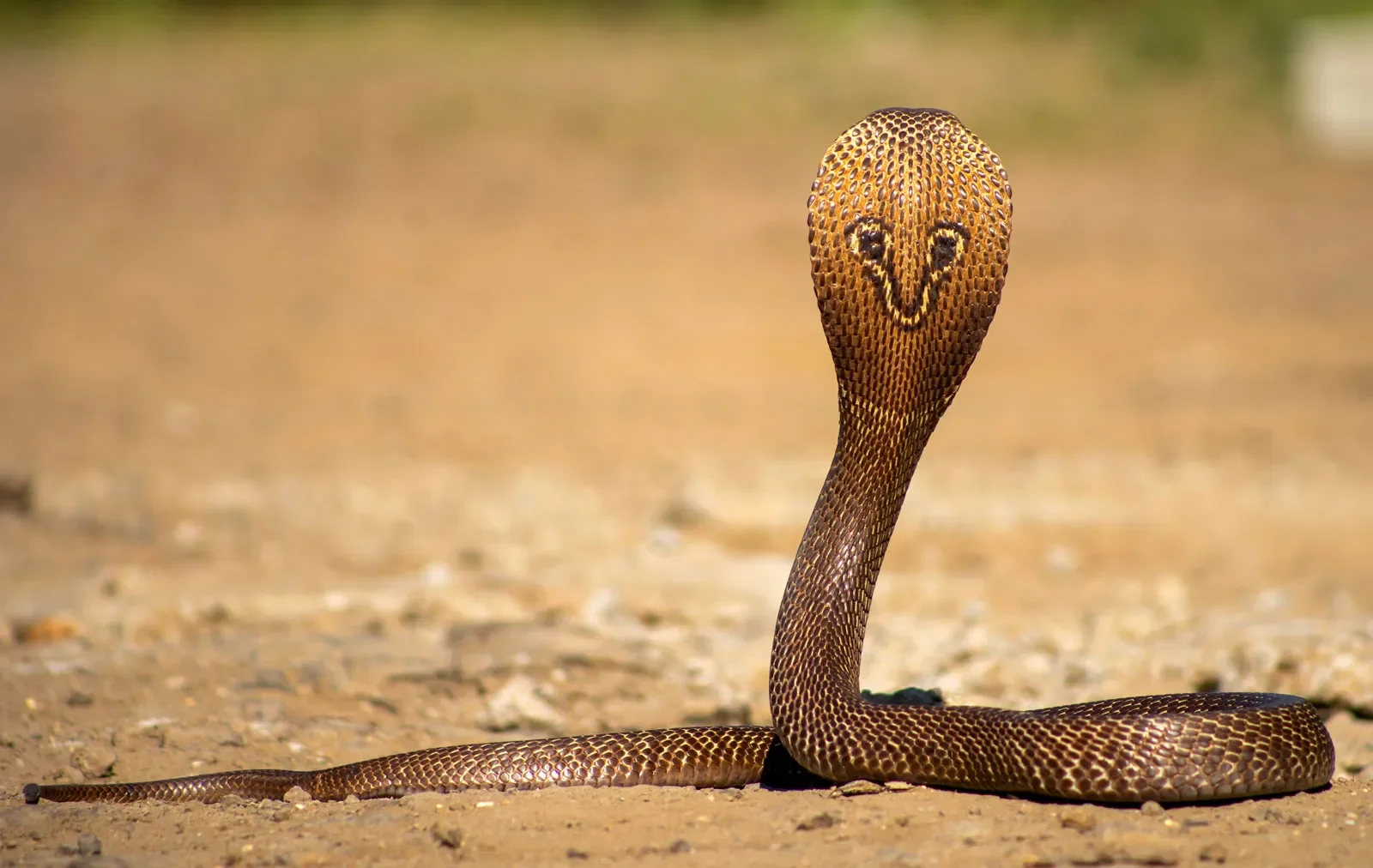
Cobra hood
When you begin to bend the middle of your back, the ribs will naturally want to flare out at the front of the body. You must resist this and actively pull them into the midline and at the same time widening the ribs at the back, wrapping everything around and forward using the diaphragm.
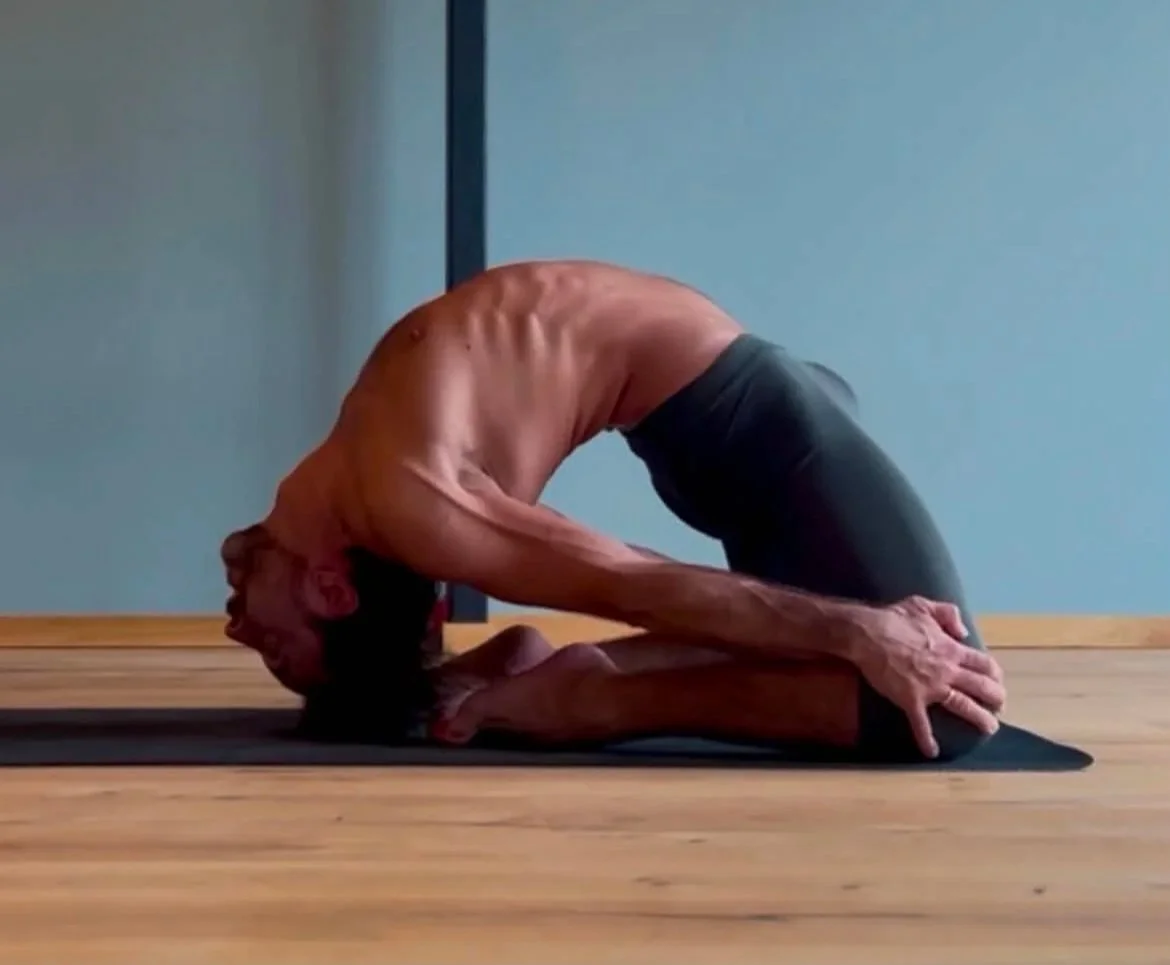
Laghu Vajrasana
This visualisation of the King Cobra’s hood, with the expansion at the back of my ribs and the contraction of the front ( Bandha ), allows me to not crunch the middle back in back bends.
This can take some time to cultivate in our practices and I usually recommend students add some variations of ‘openers’ to their practice to get the feeling of this and to help open the shoulders and the upper back.
My Online Studio has various asana tutorials to help find this feeling and support your yoga practice.
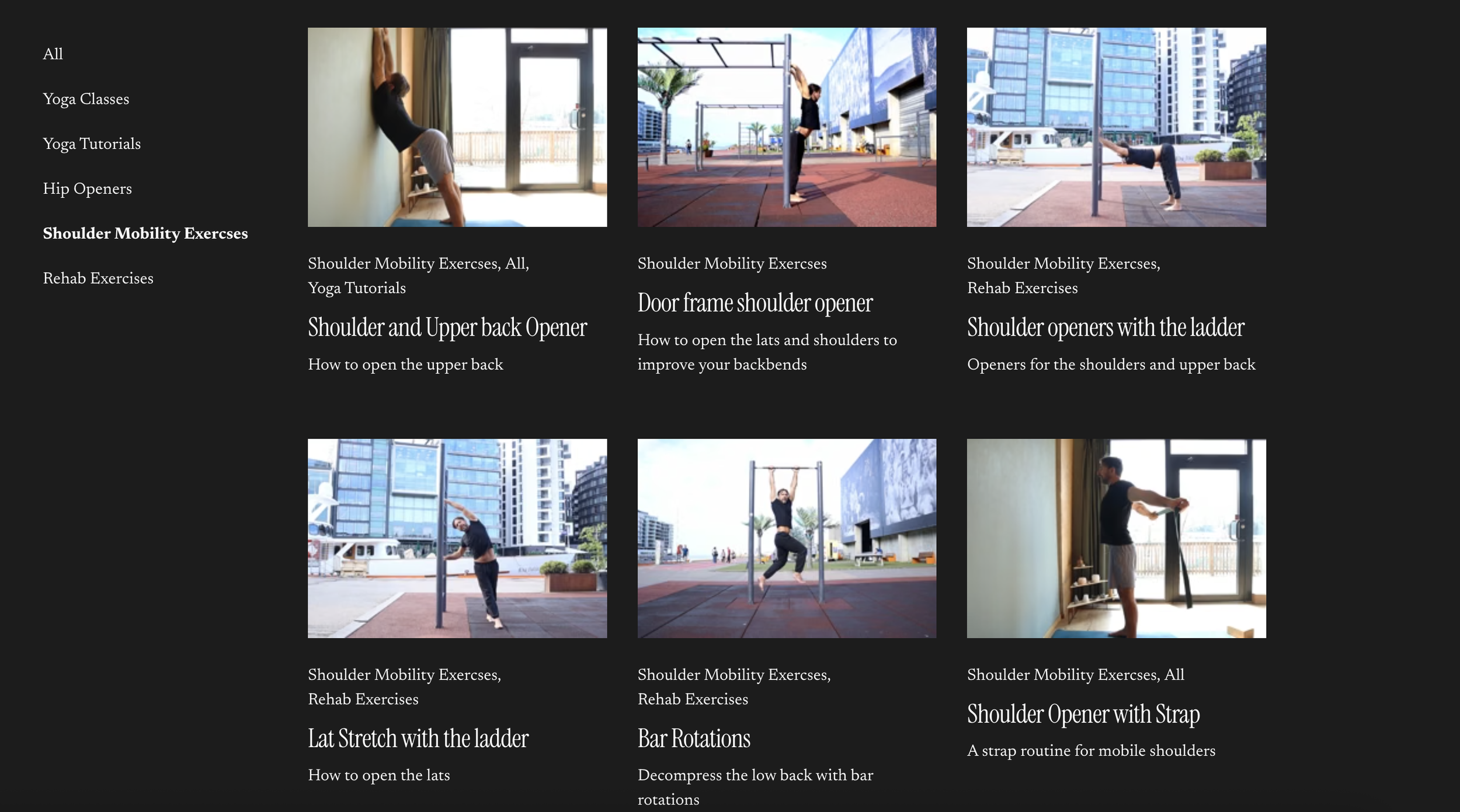
asana tutorials on back bends
This activation of the front ribs to allow space in the back can be practiced in all back bends. What we are looking for is a strong activation of the serratus anterior to pull everything into the middle.
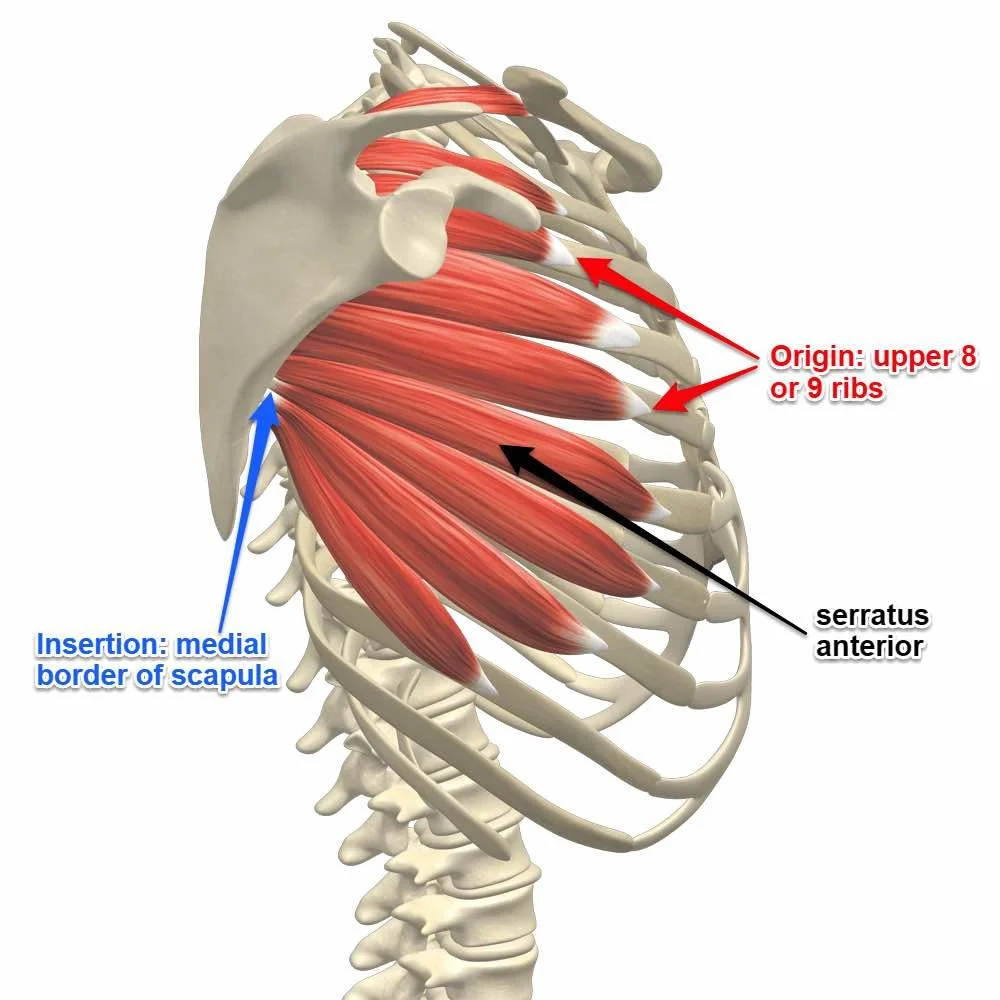
serratus anterior
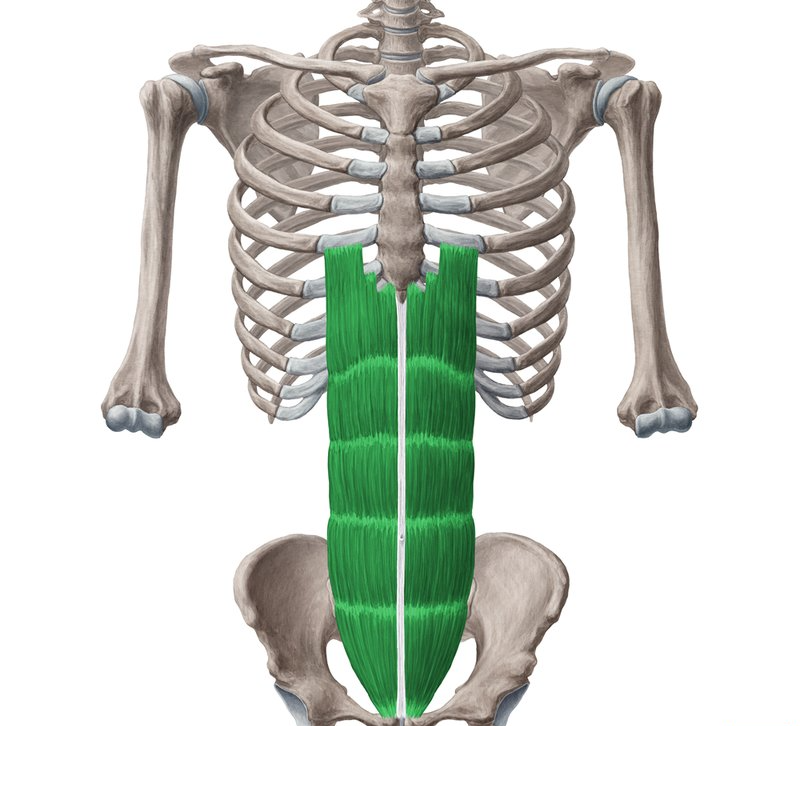
Pulling the ribs in with the 6 pack muscles
Drop backs in the Ashtanga yoga system is a great place to practice this when you are hanging backwards. With the arms extended over head you are ‘forced’ to find the necessary space and length to cultivate the strength of the diaphragm to open the middle and upper back. With my serratus strongly engaged here and the rectus rectus abdominis active my lower back muscles relax. Bandha.
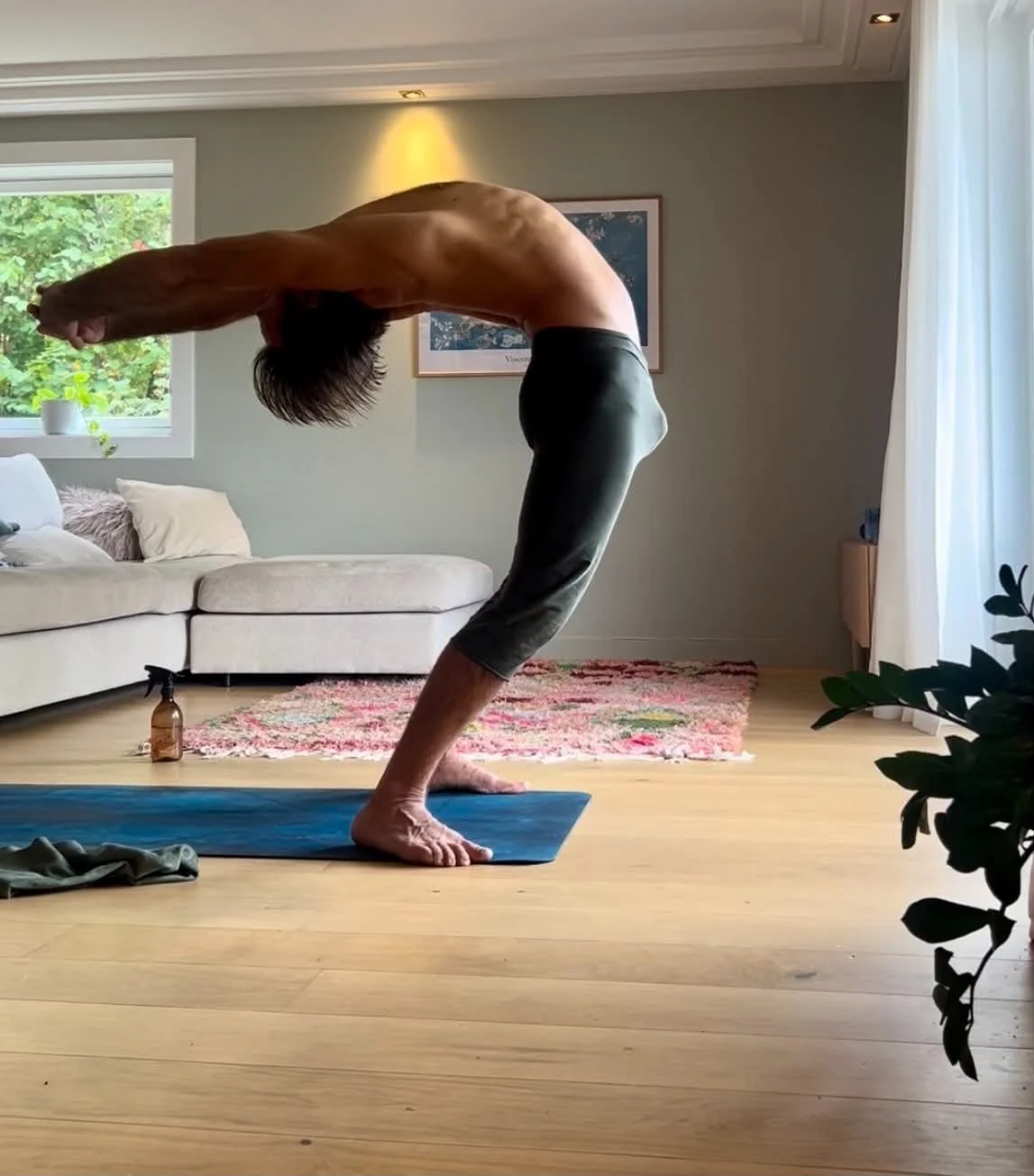
Ribs in hanging in drop backs
For Ashtanga practitioners who are practicng Vrschikasana B ( Scorpion ), this is another excellent place to practice this. For a long time my middle back wouldn’t move so much in this position until I found the correct activation of the serratus and pulling in of the ribs to allow the upper back to move without compression.
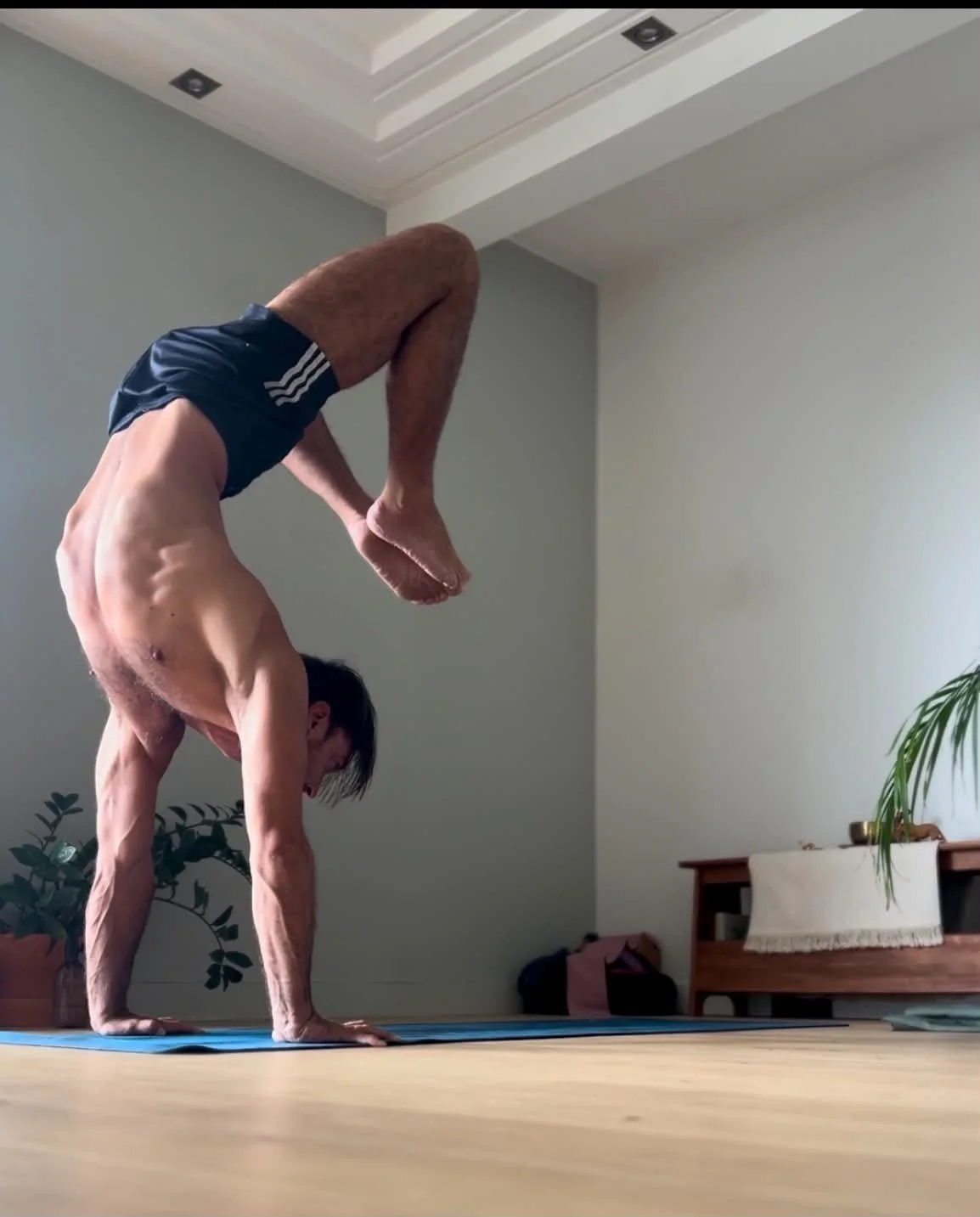
Vrschikasana B
To become a member of my Online Studio and have access to my tutorials and courses head to the following: